Wednesday, August 22, 2018

GENTLY DOES IT – Alan Hunter

Despite recommendations from friends, I put off awhile reading Inspector George Gently mysteries because I had trouble imagining a cop—even a British cop—named "Gently." Two things persuaded me otherwise: I realized I knew a real cop named "Nicely," and I enjoyed some videos of the BBC-TV series based on Alan Hunter's fictional character. Then I read Gently Does It, the first of Hunter's forty-six George Gently novels.
My first impression of the book was that some legalistic folderol must have intruded during adaptation of Alan Hunter's characters to the TV series. More likely the show's producers couldn't reach some sort of sponsorship agreement with the peppermint cream industry to enable Martin Shaw, playing Chief Inspector Gently, to pop one of the candies into his mouth every several seconds no matter what (I'm not entirely sure what a peppermint cream is, but the book's Gently carries a bag of them with him everywhere, helping him think and using them as bribes). Shaw's Gently was a believable cop and had a couple of believable detectives as his assistants. The only trouble I had was understanding a good deal of the north English dialect, which sounded to me like Gaelic. Dialogue was nowhere near as difficult for me in the novel, sparing me from having to struggle through extended incoherent jabbering when it takes only an occasional expression or two in each appearance of a speaker for me to imagine the character as Irish or French or Cajun or whatever he or she is supposed to be, ah gay-rawn-tee!

Martin "George Gently" Shaw

As a literary comparison, I found myself thinking of Simenon's Chief Inspector Maigret. Both are highly intuitive and prefer to work alone, their independent outlook dedicated to nothing else but solving the crime. Gently comes across as lighter hearted, more gregarious, and with a self-deprecating sense of humor.
"I oughtn’t to tell you this–I oughtn’t even to tell myself," he says to a constable. "But I’m a very bad detective, and I’m always doing what they tell you not to in police college." Gently's been called in from Scotland Yard to assist local police in solving the murder of an unlikeable lumber tycoon. Suspects abound, obviously, and Gently takes his time getting to know them all, asking seemingly innocuous questions to encourage them to reveal themselves. This tactic also helps him get along with subordinates. He tells the same constable, "I’ve been a policeman too long..it’s high time they retired me. Some day, I might do something quite unforgivable."
He takes a sterner approach with rivals, such as Inspector Hansom, the local ranking cop working the murder.
" ‘...you’re the Yard and you think you’ve got to show us we’re a lot of flat-footed yokels,’ Hansom says in an early confrontation.
"Gently leaned back in his chair and blew the smallest and roundest of smoke-rings at the distant ceiling. ‘Inspector Hansom,’ he said, ‘I’d like to make a point.’
" ‘What’s that?’ snarled Hansom.
" ‘There is between us, Inspector Hansom, a slight but operative difference in rank. And now, if you will start sending these people in, we’ll try to question them as though we were part of one of the acknowledged civilizations.’ "
Gentle as his name, outwardly, he gives us a glimpse of what he's really thinking. A tad harder than he would seem:
In his mind’s eye the figure of the deceased timber-merchant began to take form and substance. He saw the foxy, snarling little face, the sharp, suspicious eyes, the spare figure, the raging, implacable temper of a small man with power...the man whose son had kicked free at any price, whose daughter was in league with the maid to deceive him: who declared the cinema improper while he ruffled Susan in his study...An alien little man, who had spent most of his life in a new country without making friends, shrewd, sudden, tyrannical and hypocritical...


Gently smokes a pipe in addition to his addiction to peppermint creams, and it's the pipe that first alerted me to the comparison with Maigret, his French counterpart. There are his moods. I recall that Maigret, when feeling stumped by a case, prefers to take a nap, curling up in bed and letting his subconscious ponder the seemingly imponderables until, refreshed, an idea presents itself from within. Gently hits a couple of downturns that neither pipe nor peppermint seems to help.
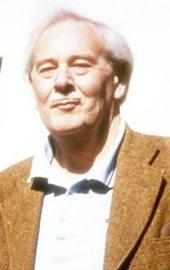
Alan Hunter
 
"Yesterday, the thing had begun to move, it was on its way. It had only needed one more stroke...and every nerve in his body had told him that he would find it that afternoon at Railway Road. But he’d been wrong, and he hadn’t found it...the instinct that had carried him through so many cases had failed him."
In despair he wends his way through the crowd leaving a soccer match where he'd expected to find that last "stroke" of luck. "He couldn’t quite believe it had happened to him. Always before the luck that smiles on good detectives had smiled on him at the crucial moment...he felt suddenly that he must be getting old and past it. He was falling down on a case."
Poor Gently seems to be on the verge of believing his silly lie to the young constable about being a "bad detective." One might think Gently Does It is the last in the series. Knowing it's the first, however, either we find him rallying his confidence, recovering his pluck and moving his prime suspect brilliantly to the hangman's noose, or bumbling his way through the remaining forty-five episodes, munching peppermint creams, puffing his pipe, growing more forlorn with each outing, and along the way picking up a nickname, oh, say...might there be an English word for "Clouseau?"


[For more Friday's Forgotten Books check the links on Patti Abbott's unforgettable blog]


Wednesday, August 15, 2018

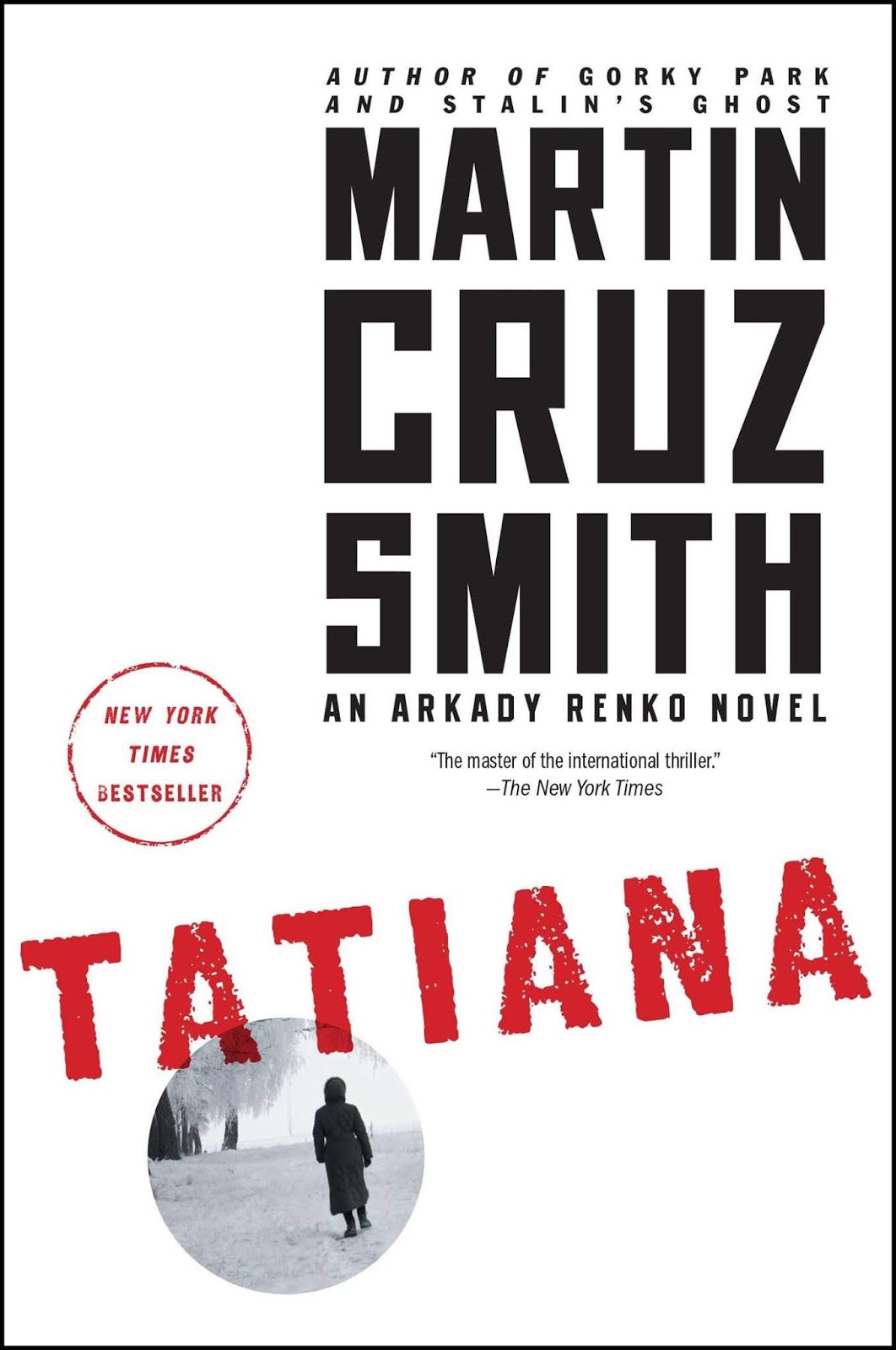
TATIANA – Martin Cruz Smith

Say goodbye to Arkady Renko. I have this chilly foreboding we'll not see him again, that five years ago Tatiana was his valedictory huzzah, his seventh "complication" after we met him confronting the mystery of three bodies found frozen and defaced in Moscow's Gorky Park. Since then the signs have been gathering, mounting. For one thing, his creator, Martin Cruz Smith, has allowed Renko to age somewhat naturally. I'm guessing he was in his thirties in Gorky Park and had advanced to his middle fifties in Tatiana, evidently dying his hair (which was "graying" in Three Stations, his previous outing).
"Arkady was a thin man with lank dark hair who looked incomplete without a cigarette," we are told in Tatiana in words that seem ominously fit for an obit. The odds his smoking will kill him from lung cancer by now are rivaled only by his accumulated physical damage from beatings, stabbings, being locked in a freezer, exposed to nuclear radiation and shot in the head, the latter leaving a bullet in his brain.
“Do you know what that does to you?" he asks someone threatening him in Tatiana. "Can you imagine? Like a second hand on a watch, just waiting to make one last tick. One tick and everything goes black. That’s how I live my life. Moment to moment...The strange thing is that having a bullet in the brain makes me feel invulnerable.”
Knowing the difference between feeling invulnerable and being invulnerable, methinks that one last tick has surely ticked by now, and if not, I surely hope it won't happen while we are watching.
It's a toss-up when and who will go first, Renko or his militia sidekick, Victor Orlof, who came onboard with just his first name in Wolves Eat Dogs. Again described in the past tense in Tatiana, "Victor was a bloodshot wreck who substituted Fanta for vodka. Or tried. Because of his drinking no one dared work with him but Arkady. As long as he was working a case, he was sober and a good detective. He was like a hoop that stayed upright as long as it was moving, and fell when it stopped."
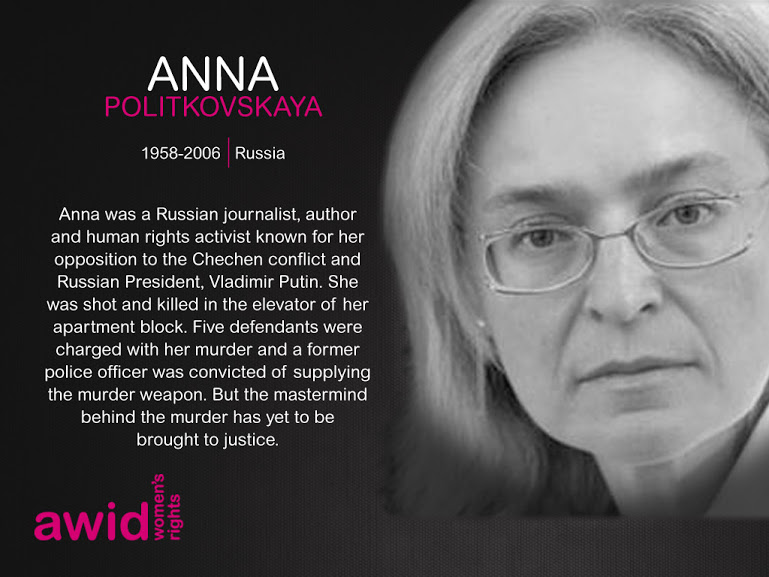
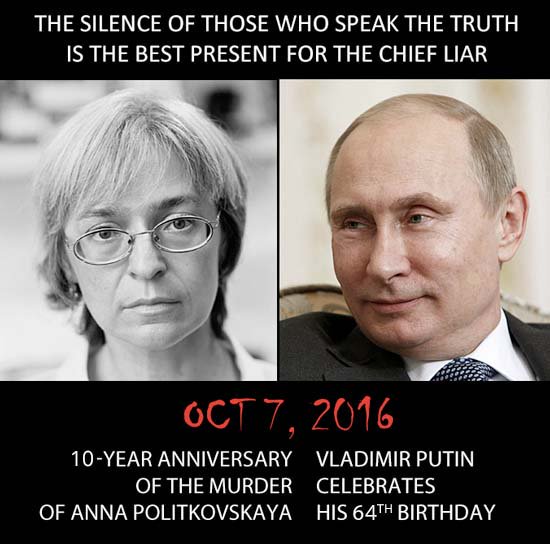
The Russia they're growing old in is fighting its own death struggle. Renko reflects on this at a double funeral, one for a local gangster and the other for Tatiana Petrovna, a famous investigative journalist who officials say committed suicide by leaping from a high window. As he did with a similarly suspicious "suicide" by a gangster in Wolves Eat Dogs, Renko doesn't buy the official verdict, and, against opposition from his sleazy prosecutor boss and virtually everyone else except Victor, sets out to learn what really happened. He and Victor get to the bottom of it, of course, almost hitting bottom themselves in the process. At the gangster's funeral, Renko notes that other "mourners" there include "billionaires who had their arms around the nation’s timber and natural gas, lawmakers who were sucking the state treasury dry, boxers who had become thugs, priests as round as beetles, models hobbling on stiletto heels and actors who only played assassins rubbing shoulders with the real thing."
Meanwhile a protest has gathered outside the cemetery for Tatiana. Renko joins this group and gets a couple of cracked bones and a punctured lung when cops breaking up the rally begin "dancing on his ribs" until he shows them his militia credentials. 

Inspiration for Tatiana?
I have a couple of theories. The least plausible is that Renko will finally get a boss as honest, brave and stubborn as himself, and the two of them, with Victor, of course, will tear great gaping holes in officialdom and the criminal networks until, like Butch Cassidy and Sundance, they're mowed down at the Gorky Park bandstand in one momentous red blazing star of righteous glory.
In reality Renko's dissolution is a continuing process, the meticulous trudge toward official oblivion. His routine cases are drunken homicides followed by dreary confessions. Murders of greater sophistication are "all too often followed by a phone call from above, with advice to 'go easy' or not 'make waves. Instead of bending, he pushed back, and so guaranteed his descent from early promise to pariah."
He should have quit the prosecutor’s office years ago, and he knows it, "but there was always a reason to stay and a semblance of control, as if a man falling with an anvil in his hands could be said to be in control."
My third and most likely theory to keep the series going, or else veering off within the same setting and with some of the old supporting characters would be to promote Zhenya Lysenko to lead the way. Zhenya enters the series, along with Victor, in Wolves Eat Dogs. He's eight years old when Renko first meets him "standing in the cold outside a children’s shelter. He was stunted like a boy who pushed tubs in a coal mine, and virtually mute." Renko befriends the strange kid, and, despite Zhenya's fierce, inscrutably independent spirit, eventually becomes his legal guardian.
Seventeen years old in Tatiana, Zhenya seems "simply a larger version of himself. He was the ugly duckling that did not change into a swan and was self-effacing to the point of disappearing. Except in chess. In the confines of a chessboard he ruled and humiliated players whose ratings were far higher than his because he preferred cash to tournament trophies."
But by Tatiana he's grown tired of hustling chess games at train stations for petty cash, and is considering joining either the Army or becoming a cop. I believe this is the clue we need to anticipate at least episode nine in the series. Zhenya could ease into becoming Renko's successor. And maybe the lad is encouraging us with a wink to think so. In an exchange of quips with Renko, he predicts what will be engraved on his guardian's tombstone: "Things Got Complicated. ”


[Find more Friday's Forgotten Books links at Todd Mason's amazingly eclectic blog]


Monday, August 13, 2018

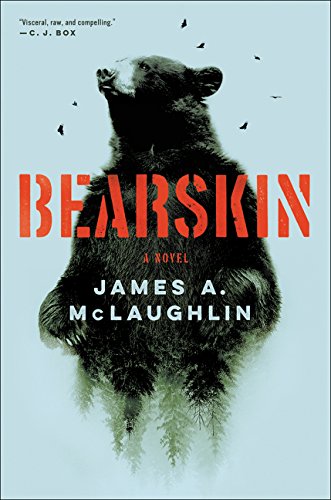
BEARSKIN – James A. McLaughlin

Thriller. Hands down, thumbs up, no quibbling. We know this from the git-go. Bearskin, the debut novel by James A. McLaughlin, heralded by The New York Times as one of four authors "to watch this summer," has thus achieved the imprimatur that while most assuredly a page-snapping genre entertainment also reaches the rarefied stature of literature. With such prominent exaltation at launch we expect at least a fairly recognizable highbrow filigree, and Bearskin delivers. Without question. I enjoyed this novel on both levels. Its story kept me rapt, racing to learn what happens next while admiring some very fine writing--even glimpses of sublime brilliance in its descriptions of scenery in Virginia's Blue Ridge Mountains and in the Arizona desert country. But, maybe because it’s McLaughlin’s maiden novel, and maybe because his publisher was a tad lenient with the editing, Bearskin occasionally shows its petticoat. There’s the awkwardly extravagant vocabulary. Rice, the protagonist, buried the deliquescent cow head...gunfighters had been in an egregious number of firefights...asked if he'd done a certain something, he demurred...
Granted this is the author’s voice, but it’s Rice’s viewpoint. And granted Rice has some college biology background and probably used a big word now and again in scholastic settings. But he’s a long way from the ivy halls. These days he’s ducking Mexican drug cartel assassins, interacting with barely literate mountain rednecks, and poking around the woods in black-bear country. Not surprisingly the voices sometimes get tangled. Here he is trying to lure a country outlaw biker type away from a biker party in full yeeha swing: “He laughed, trying to sound drunk. ‘There’s some bitch lying in the bushes back here!’” Lying? Really? Why not layin’ **hic** or, better yet, why any verb at all?
Yeah, yeah, I know, picky picky, but it’s a telling example of one of Bearskin’s several weaknesses. Another is the distraction of random dream-states Rice calls “fugues,” which slow the narrative without contributing much if anything to story or character. Too frequently McLaughlin gives us too much thinking, too much telling at the cost of showing, and he makes the all-too common mistake of describing with detail overkill—the kind that can sharpen focus in shorter pieces but clog the gears of a story that’s clipping along quite nicely on its own thank you very much. But blink and you’ll miss him slapping one over the center-field fence that can leave you gasping for breath
 
While he watched, a fresh breeze brushed against the big tulip trees, red oaks, sugar maples. Heavy branches rose and fell in slow motion, and a million leaves twisted on their stems, showing silver underneath. The forest was eerily animate, a gigantic green beast dreaming, its skin twitching and rippling. Not quite threatening, but powerful. Watchful.

Or punching a line drive to the gut: “The energy coming off that forest, so close now, thrummed in Rice’s chest, like he was standing next to a pipe organ.”
There’s enough of that kind of writing throughout to seriously tingle any literary sensibility. Loveliness dancing along in a standard page-flipping thriller, high-wire agility for a rookie novelist mixing such yin/yang styles in a single book. We know the Yankees are taking a look, but it’s a sure bet Bearskin can play wit’ da Bums.

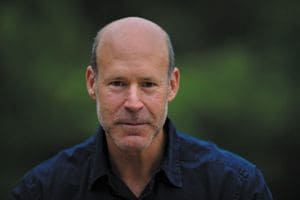
McLaughlin

For my money McLaughlin’s touched all three thriller bases, and should make it home with a dirty slide and a decent review in Soldiers of Fortune. The basic plot’s simple. We know Rice is trying to hide from Mexican drug lords, so it won’t be long they’ll track him down. Mandatory in such tales—like Chicken Man, the killers are everywhere they’re everywhere. We jump right in at the prologue, where the cartel demonstrates its clout by finagling two hit men into Rice’s prison cell, and then out again, one of them dead and the other with severed Achilles tendons. Leaves us no doubt what Rice is up against now that he’s out of slam and living on a 7,000-acre forest preserve as its lone caretaker.
For us reaching the inevitable showdown will take upward of 300 pages. McLaughlin does this well, doling out the suspense in tantalizing nibble-size increments of pulse-quickening happenstance, flashbacks, fickle fate, and derring-do. Rice meanwhile practices his martial arts, vocal impressions—y’all-- cunning, and chivalry trying to protect the local bear population from illegal hunting and shaking up the local outlaw types to learn who beat and raped blonde, leggy Sara, his predecessor, who checks in on him now and again.
Now comes the kind of detail so important to thriller aficionados: brands and models of everything from clothing labels and pocket knives to security systems, firearms, and accessories, each described with daunting precision—type, caliber, function...you know the drill—personal combat tactics, and, unusual I hope, hideous methods of physical persuasion such as the old icepick in the ear-canal trick. About the time I started wondering how a biology major (albeit ex-con) would know all of this, Mclaughlin gives us a hint: Rice had been “well schooled” by Fernandez, his cartel-connected cellmate, and several Fernandez associates, “all of whom must have recognized something in Rice: a powerful will to survive, a latent capacity for violence, a willingness to kill. Some athletic aptitude. Certainly a good memory, though most of it he’d prefer to forget.” Okay, it’s a stretch. But, good gravy, what’s a thriller without a stretch or two, no?
If I could make one change before turning this better-than-average novel over to a savvy and insightful editor, it would be to switch the voice from third-person to first. This would eliminate inherent confusion when dialects are mingling and pronouns are losing their subjects. As it stands right now, though, Bearskin is a viable Hollywood prospect. It has story, characters, and...ackshun! And good screenwriters are incorrigible tighteners and streamliners.
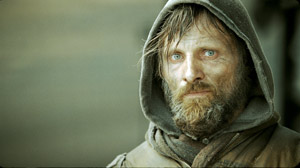
So who should play Rice? (Cruise? Nope, impossibly tied up) Suzy may be onto something. She’s dispatcher/secretary for the local sheriff and has taken a shine to our tarnished hero: “You look like that actor, Viggo Mortenson? But not in a good way. You know, like in The Road?”

Viggo Mortenson

I didn’t like The Road, but that’s a whole ‘nother kettle o’ carp.


Tuesday, August 7, 2018

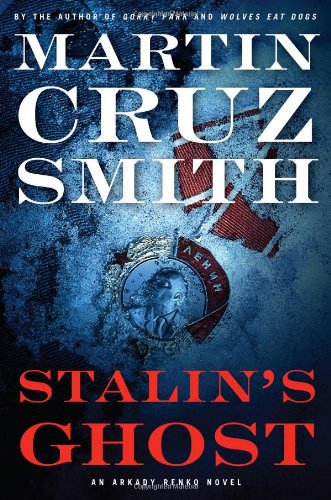
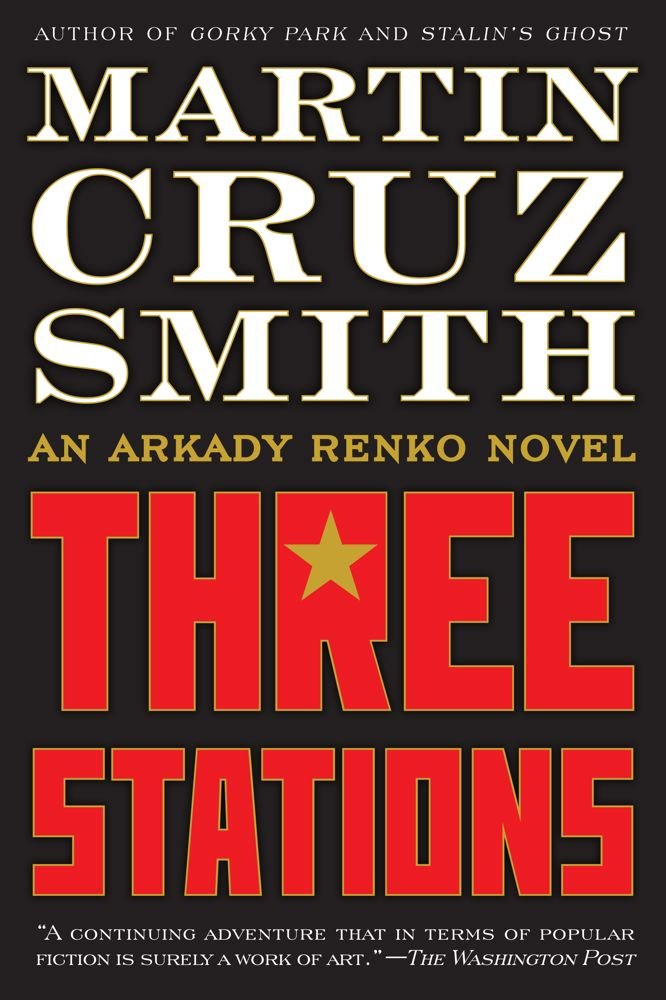
Twofer: STALIN'S GHOST and THREE STATIONS – Martin Cruz Smith

Back in the US, back in the US, back in the USSR...in atmosphere, anyway—if not the poignance. There is no more Soviet Union in either Stalin's Ghost or Three Stations, episodes six and seven in the eight-episode Arkady Renko series. In Russia, the former ruling Communist Party has devolved to vodka-swilling geriatric pretensions, succeeded by vodka-swilling gangsters and capitalist tycoons. Putin heads a government as corrupt and incompetent as ever, and, as ever, the average vodka-swilling Olga and Ivan must stand in lines for hours to buy anything--groceries, basic household goods, and, of course, the one bright light in their lives, vodka.
Pretty damned depressing for most Russians, one would think, and with the universal disregard for its ubiquitous suicides, the so-called "New Russia" would seem to fall a tad short of Xanadu. Now then, while the excuses for his people's daily despair segue during the decades from old to new euphemisms one hero has stood tall against the grim landscape, a champion with such stubborn integrity and courage neither treachery, nor fist, bludgeon, blade, bullet, bribe, or bureaucrat can keep him from bringing his villain to justice. Should you be wondering, this be not Superman, Spiderman, Batman, Ant Man, Any Other Man, Tom Cruise, or Mighty or Mickey Mouse. Nosirree, Boris.
This be Moscow’s Senior Investigator of Important Cases (i.e. murder most heinous) Arkady Kyrilovich Renko! Did I include humility and a light sense of irony among his attributes? There’s this: Victor Orlov, a drunken wreck of a Moscow militia sergeant who helps Renko investigate cases, suggests after Renko’s sleazy boss fires him, “You can’t go on pretending that you’re an investigator.”
Renko responds, “I’ve been doing it for years.”
And this: Finding himself alone in a room full of mirrors reflecting each other, he’s startled by an impression he’s sharing the space “with multiple desperate men with lank hair and eyes deep as drains, the sort of figure who might wander the streets on a rainy night and cause people to roll up their car windows and jump the traffic light.”

While he beds a different woman in each episode he’s no James Bondian skirt chaser. He’s a classic Russian romantic who falls in love with these women, and, typically, loses each of them before the next appears. Eva, the radioactive Chernoble physician who seduces him in Wolves Eat Dogs and follows him to Moscow, dumps him for a spell with one of the villains in Stalin’s Ghost (it’s complicated), and then leaves him for good in Three Stations. She says in her farewell note, “I will not wait around until they kill you. I won’t be the grieving widow of a man who insists on teasing the executioners of the state. I will not be there when someone shoots you in your car or answering the doorbell and I won’t walk in your funeral cortege.” A classic Siberian romantic.
Anya, Renko’s feisty next-door neighbor, a free-lance journalist, then steps in and seduces our lucky/luckless hero, only this time it’s more of a casual, affectionate thing than the stuff of poetry. It’s still going on in Tatiana, the last of the series, which I’ve just begun and will report on next week. If I had to guess...I won’t. Let’s just say it wouldn’t shock me dangerously to see the thing with Anya strengthen, or deepen, or however Pushkin might have put it, if Martin Cruz Smith doesn’t turn them both into angels and bring the moth-gobbled Red curtain down once and for all. After all, it’s been five years now. The longest stretch between episodes should yet another one manage to squeeze out of the word processor. The fear I expressed earlier that Renko would be battered into paraplegia should the series continue much longer...um, he does have a law degree from Moscow University, by the way, and just might...
On third thought, a very minor character that sprouted silently in Wolves, has, over the subsequent two episodes blossomed into what could become Renko’s successor should Smith wish to branch the series off in another direction. Renko befriended Zhenya, an eleven-year-old runaway mute crashing occasionally in an orphanage. Renko takes the boy out and about on the pretext of trying to find Zhenya’s disappeared father, all the while trying to draw him out of his stony silence. Nothing works, although Renko learns the boy has a natural talent for playing chess. In Stalin’s Ghost we find Zhenya hustling chess games on the street for money, and eventually playing in citywide championship matches. He’s finally talking, too. In fact he’s quite smart and articulate. In Three Stations, now fifteen, he helps a runaway girl his age who’s hiding from prostitute “catchers” while trying to track down her three-week-old baby stolen from her on the train to Moscow.
Three Stations is much tighter and faster paced than the others, half the length of the earlier Renko novels. The main plot has Renko, technically fired from his job by Zurin, the corrupt, incompetent city prosecutor he works for, trying, with help from Victor and Willi, the besotted pathologist/morgue attendant and former Renko classmate, to hunt down a serial killer. Ever on the outs with Zurin, in Stalin’s Ghost, Renko and Victor (unauthorized, as usual) investigate a couple of Renko’s police colleagues who apparently are running a murder-for-hire sideline. One of these investigator/killers is a political candidate for a state senate seat with a newly formed Russian Patriot Party hoping to use the image of the former bloodthirsty dictator to make Russia great again. The ghost part is a scam operated by the party’s film crew to fool drunks at a Moscow subway station into thinking they’ve seen the old boy’s ghost smiling benevolently at them from the station platform.

The Moscow Putin doesn't want you to see
 Stalin’s Ghost is the roughest episode in the series for Renko—thus far. By this I mean he’s come the closest to violent death. Twice. Without giving too much away about the worst one, I’ll share this quote from our intrepid, unauthorized, haunted, lovelorn, scarecrow Senior Investigator of Special Cases, speaking of himself:one brain, slightly trimmed.”

As for making Russia great again, Smith gives us this analogy via Renko, in Three Stations, who hears a long-neglected piano from the Yaroslavl Station waiting room that had been brought outside for a festival. He’d seen the instrument often but never before heard it played: “Someone was playing it now, despite the fact that the piano had not been tuned in years. Unexpected sharps and flats abounded, and some keys were totally dead.

“In short, Arkady thought, Russia set to music.”

You don't know how lucky you are, boy... 


[Find more Friday's Forgotten Books links at Todd Mason's amazingly eclectic blog]


Wednesday, August 1, 2018

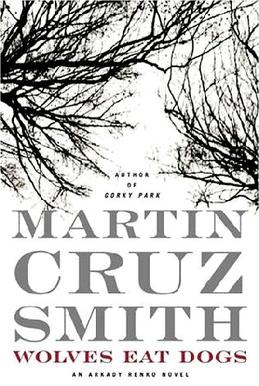
WOLVES EAT DOGS – Martin Cruz Smith

Wolves Eat Dogs starts out normally enough for Arkady Renko, Moscow's ace homicide investigator. Assigned by Zurin, the sleazy local prosecutor, to rubber-stamp as suicide the dramatic death of a powerful businessman, our indefatigably skeptical Renko refuses to sign off until he is satisfied whatever evidence he might find corroborates Zurin’s foregone conclusion. Oddly, in a departure from Renko’s usual dogged persistence proving the official opposition wrong, this time (after some dogged investigation, of course) he concurs with his boss’s presumption, agreeing that Pasha Ivanov deliberately plunged to his death from his high-rise apartment ten floors to the street below.

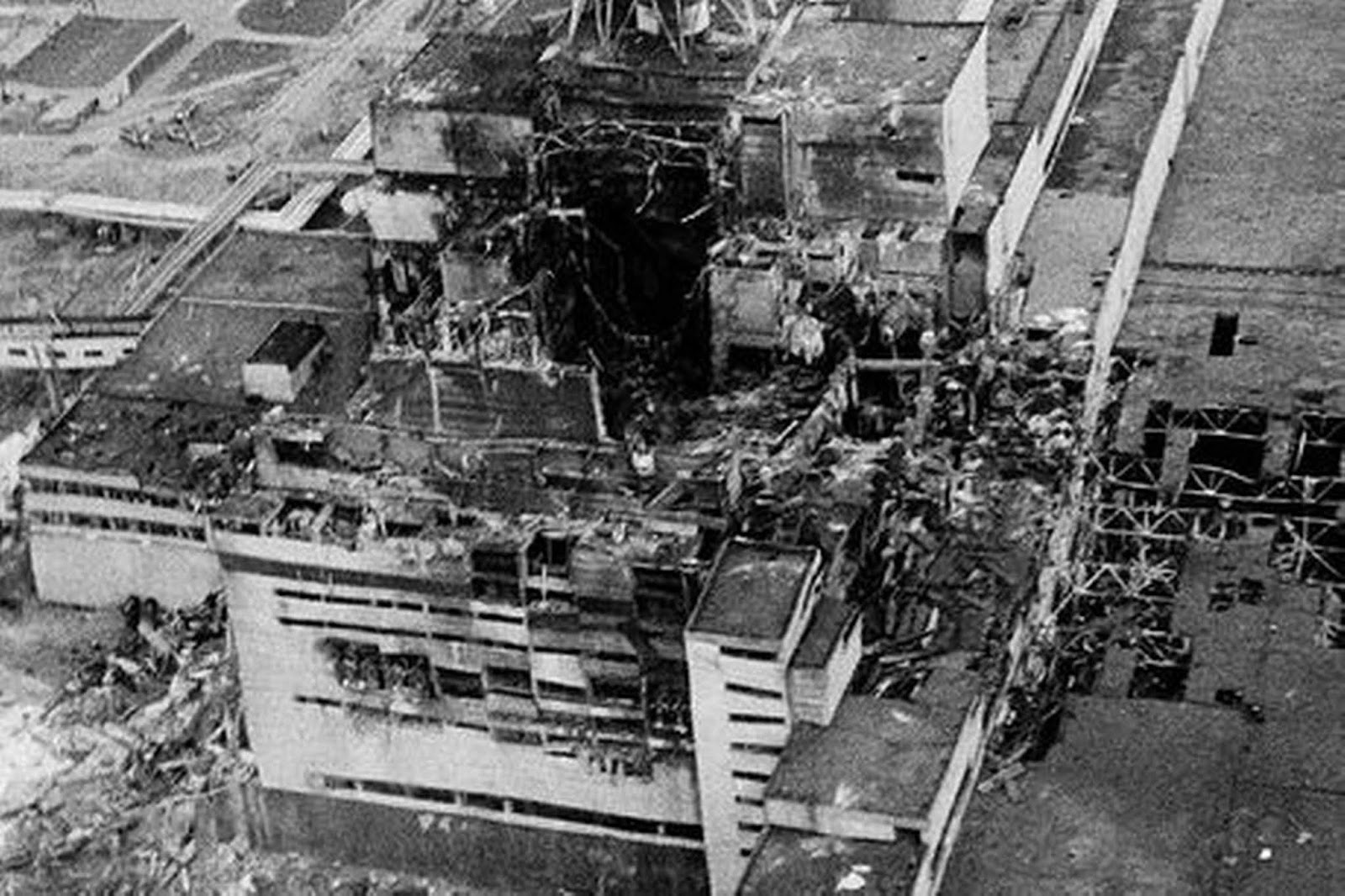
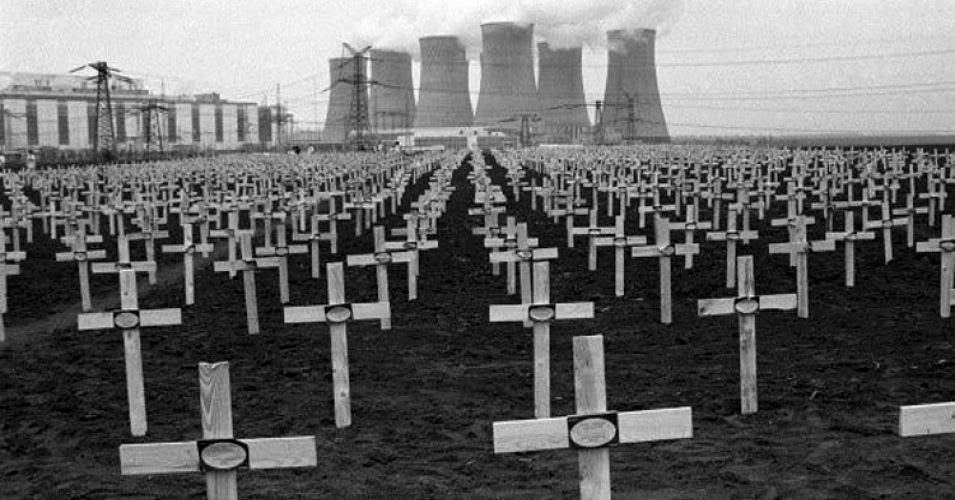
But Renko does not disappoint us with his verdict. He has stumbled onto a new mystery as he probes Ivanov’s death, one that not only seriously thickens the plot but turns it quite literally radioactive. Discovering a dosimeter wrapped in a bloody handkerchief in Ivanov’s apartment, he determines the apartment is heavily contaminated. A HazMat team finds Ivanov’s body is virtually glowing with radiation. It’s clear the tycoon knew he’d been poisoned, would suffer a slow, agonizing death, and chose suicide instead. Renko’s attention then shifts to how and why the radioactive substance was brought into the apartment. His inquiries focus on Ivanov’s business associates, who lean on Zurin to call him off until Ivanov’s partner and successor to head the business empire is found murdered in the “dead zone” around Chernobyl, infamous Ukrainian site of the 1986 nuclear accident that’s blamed for millions of deaths from radiation exposure.


This presents an ideal opportunity for Zurin to get Renko out of his hair by sending him to “investigate” the murder. Most of the rest of Wolves Eat Dogs takes place in this hotbed populated only by a handful of peasants who have refused to leave and by scientists studying the disaster’s aftermath. Here, as usual, Renko runs into as much resistance as he did in Moscow. Despite having a Ukrainian name and being the son of a famous Red Army general, he’s seen as an outsider, i.e. a Russian, come to make trouble. No one knew the victim, either, another Moscow big shot whose death meant nothing to the locals. So little did they care when a villager found the body at a cemetery, assuming death had been natural, they stuffed it in a kitchen freezer awaiting someone to take it to back to Moscow. After several weeks the research community’s physician took a second look at the corpse and noticed its throat had been cut.


The physician, Eva Kazka, is an attractive but prickly sort, the kind of woman in every episode who ends up coupling with Renko after considerable hissing, sparring, and plausible indifference. In Wolves Eat Dogs, this foreplay includes a couple of high-speed chases through heavily wooded countryside on motorcycles.

Kazka looked like she would bite the head off anyone who flattered her,” Renko ruminates as they size each other up. “She was too pale, too dark, too sharp. The way she and Alex moved suggested a past involvement, a momentary truce in a war.” We learn Eva and Alex, one of the scientists, had been married, and that their current status is unclear.

After some sparring in the presence of locals, Renko feels “she had played him like a thief before a jury in front of the old women. Eva had that knack of making a person draw too little air or speak too loud. In front of such an individual, a man could become so aware his weight was on his left foot that he might fall over on his right, and the village women had practically cackled while watching the show. She had called them survivors.”

But he can’t seem to get her out of his mind. Here he decides she isn’t pretty “in an orthodox way; the contrast of such white skin and black hair...too exotic and her eyes...an unforgiving gaze. And later, “Was he in a staring contest with her? This had to be like a falconer’s dilemma, holding a not completely trained bird of prey on the wrist.”

And this (he’s warming up to her, calls her by her first name now): “Eva was not soft. Her pale skin and black hair—black as a cormorant’s, liquid to the hand—set a theme of contradiction. Her eyes were dark mirrors. Her body looked slight but was strong as a bow, and...she would have made an excellent imp in hell, goading slow and doughy sinners with a pitchfork. She should have come from a landscape of flames and spewing lava.”

Will he ever learn? Do we want him to? Does he solve the poisoning and the murder? For us, yes. For Zurin? To hell with Zurin--doesn’t care anyway. Does he get the crap kicked out of him, as usual? Of course. Comes within a split second of being shot to death, to boot. Does he get in a few good licks of his own? You know it, and you know he gets the girl, unforgiving eyes and all.

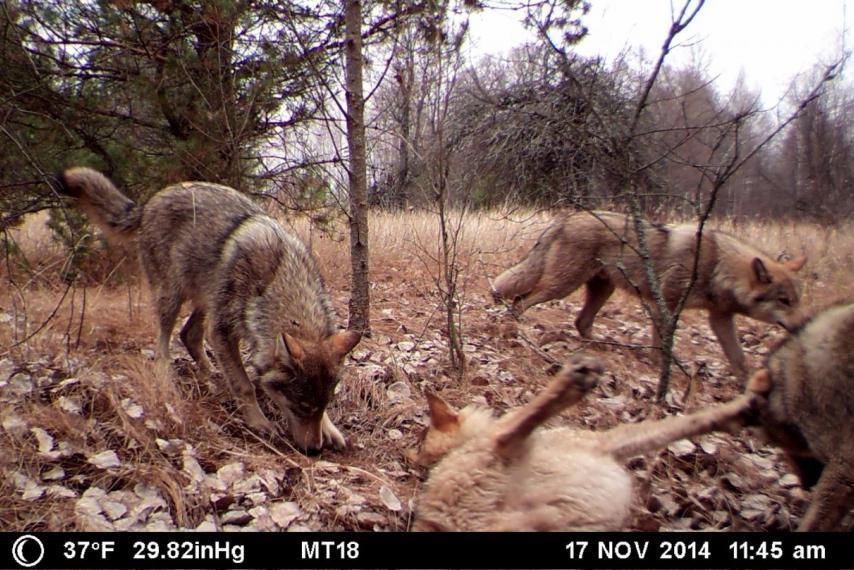
So what’s this about the wolves and the dogs? It’s a sub-theme that snarls its way through the narrative in dribs and drabs, overarching perhaps as a metaphor for big, powerful business interests that gobble up all the little bunnies that get in their way. The first reference to a real wolf is Renko’s mention of a famous Russian painting, “The Sleigh Ride, of a troika driver throwing a horrified girl to a pursuing wolf pack. Zurin was like that driver. He compiled files on his own investigators, and whenever the press got close to him, he tossed them a victim.”


On a tour with Alex of the radiation zone around the Chernobyl power station, he sees wolves in a stand of birch trees, “eyes shining like pans of gold, weighing the deer, he and Alex and the deer much the same. He remembered how the hairs had stiffened down the back of his neck. The word ‘predator’ meant more when you were potential prey. He laughed at himself, imagining that he was on his motorcycle being chased by wolves.”

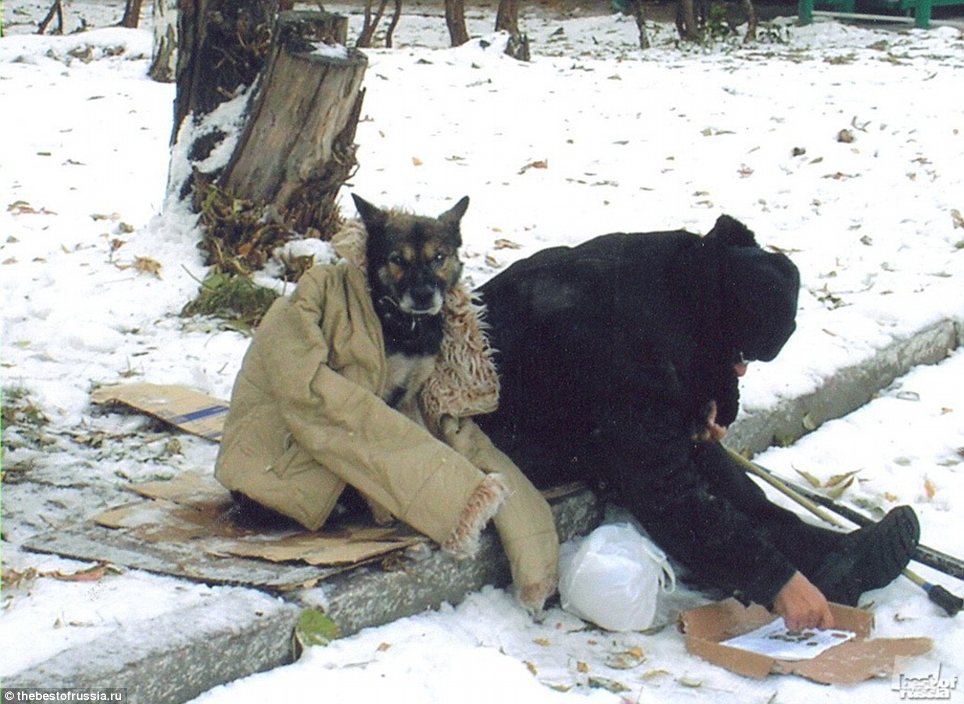
Later, he reflects on a conversation he had with Roman, one of the peasants who, with his wife, refused to leave home when Moscow ordered evacuation of the contaminated area: “‘Wolves eat dogs.’ That did seem to be the consensus of the village...Roman shook his head as if he’d given the matter a lot of consideration. ‘Wolves hate dogs. Wolves hunt down dogs because they regard them as traitors. If you think about it, dogs are dogs only because of humans; otherwise they’d all be wolves, right? And where will we be when all the dogs are gone? It will be the end of civilization.’”


[Find more Friday's Forgotten Books links at Todd Mason's amazingly eclectic blog]